The Hidden Gender Gap in Estate Planning — and How to Close It
Women outlive men by an average of five years — and are less likely to have an estate plan. That gap has real consequences.

You’ve probably heard of the gender pay gap. But there’s another disparity that gets far less attention: the estate planning gender gap. And in my practice, I see it consistently.
The overall rate of estate planning in the United States is low — fewer than one in four Americans has a basic will. Within those already low numbers, men are more likely than women to have formal plans in place. That disparity isn’t simply about income or asset levels. It’s about timing, priorities, and the roles women have historically occupied over the course of their lives.
The gap is closable. But closing it requires naming it first.
From the Pay Gap to the Planning Gap
The gender pay gap is well documented: women typically earn less than their male counterparts for comparable full-time work. That earnings differential creates a compounding disadvantage — less income means slower wealth accumulation, smaller retirement accounts, and less cushion when unexpected costs arise.
What makes the estate planning gap particularly significant is that women generally need larger financial reserves, not smaller ones. Women live longer — an average of five years beyond men — and face higher projected healthcare costs in retirement. Estimates put retirement healthcare spending at approximately $150,000 for men and $165,000 for women.
Yet women are less likely to have the legal structures in place to protect what they have built. That combination — greater financial need, less planning protection — is the gap I’m referring to when I work with clients on this.
Women live longer, spend more in retirement, and are less likely to have an estate plan. That’s not a coincidence — it’s a structural gap that planning can directly address.
What Closing the Gap Actually Looks Like
Closing the estate planning gender gap isn’t just about producing documents. It’s about ensuring that a woman’s legal and financial structure is as resilient as her life demands. In my work, that typically means starting in a few specific places.
The first is literacy over technicality. Estate planning is often presented in dense legal language that functions as a barrier before the conversation even begins. I find it more useful to start with foundational concepts: how a trust protects privacy, how a power of attorney ensures continuity of care, why healthcare directives matter for maintaining autonomy. When the framework is clear, the rest of the process follows more naturally.
The second is alignment between the plan and the client’s actual values and goals. For many women, wealth is a tool for stability and independence, not just transfer. Framing estate planning as a protection strategy — rather than simply an asset distribution mechanism — often shifts the conversation in a productive direction. The plan becomes an extension of responsibility already being exercised, not a new burden to manage.
The third is early, honest conversation. Waiting until a financial or health crisis forces the issue is one of the most common and most costly patterns I see. Initiating planning conversations with partners, children, and advisors early — and treating them as deliberate, structured discussions rather than emotional events — produces better outcomes and reduces conflict when it matters most.
The fourth is insisting on clarity from the professionals involved. A plan that cannot be explained in plain terms is not a plan that will function well under pressure. Every strategy should be translated into clear, actionable language: who makes decisions under what circumstances, what protections are in place, and what happens if conditions change.
Finally, an estate plan is not a one-time event. It is a living document that should be reviewed every three to five years and updated after major life changes. Starting with the essentials — naming healthcare decision-makers, organizing key documents, establishing a basic trust structure — and building from there is a more sustainable approach than waiting until every variable is resolved.
An estate plan should be as resilient as the life it’s designed to protect.
Why This Matters Beyond March
Women’s History Month gives us a moment to acknowledge not just what women have built — but what remains unprotected. The same resilience and resourcefulness that generates first-generation wealth, sustains families through transitions, and builds careers without a safety net is precisely the reason intentional legal structure matters.
Progress does not protect itself. The planning gap is real, it is documented, and it is closable — one conversation at a time.
Your Next Step
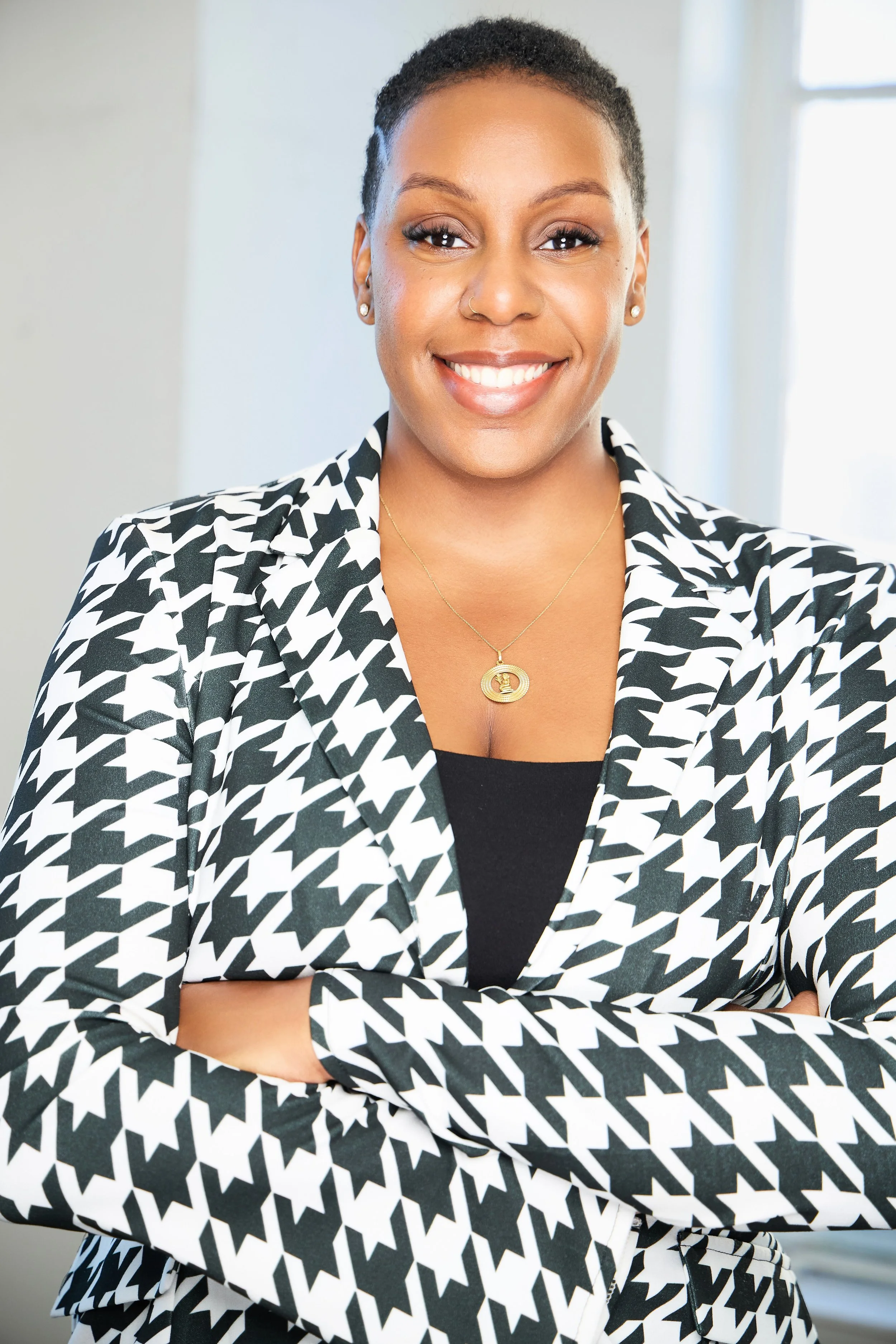
If your current estate plan doesn’t reflect your actual financial picture, your values, or where you are in your life right now — or if you’ve been putting off creating one — a Comprehensive Legacy Assessment is where I recommend starting.
It’s a structured review designed to surface gaps, clarify priorities, and build a plan that actually works for you.
You may schedule a complimentary 15-minute discovery call to explore whether this work is right for you.
This article is provided for general informational and educational purposes only and does not constitute legal advice. Reading this content does not create an attorney-client relationship. Legal planning strategies vary based on individual circumstances. You should consult with a qualified attorney regarding your specific situation before taking action.